
Winter season furnace services and repairs
Gas furnaces • Diagnostics • Controls • Replacement parts
Gas Furnace Parts & Diagnostic Service
An organized guide to the furnace components we inspect, identify and replace after confirming the cause of a no-heat, lockout, airflow or ignition problem.
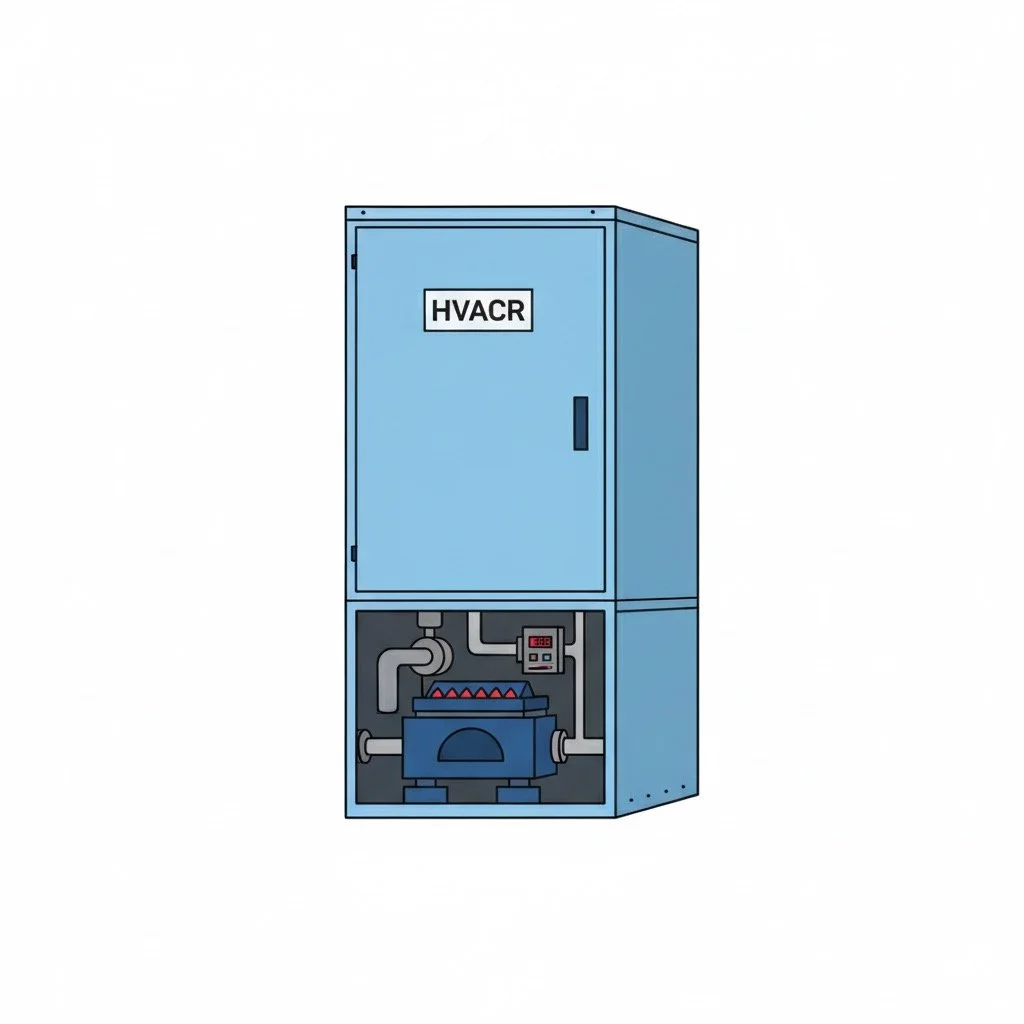
Common furnace components
Common furnace parts, grouped by function.

Pressure switches
Draft-proving switches are tested with the inducer, tubing, venting and actual pressure condition.

Ignition controls
Control sequence, power, grounding, flame signal and safety inputs are checked before replacement.

Gas valves
Valve voltage, inlet and manifold pressure, ignition sequence and compatibility must be verified.

Draft inducer assemblies
Noise, bearings, wheel condition, vent restriction and pressure-switch performance are evaluated together.

Flame sensors & igniters
Flame rectification, microamp signal, grounding, contamination and ignition position are checked.

Blower motors
Motor type, horsepower, voltage, rotation, speed taps and capacitor are matched, and wheel condition is checked.

Heat exchangers
Visible damage, corrosion and combustion concerns require a safety-focused evaluation of the complete furnace.

Limit and safety switches
Temperature rise, airflow and operating cause are corrected before treating a limit opening as only a bad switch.
Correct identification matters. Parts are matched from the complete equipment model and serial number, electrical ratings, dimensions, wiring and the actual diagnosis—not from appearance alone.
How the service process works
- Document the fault code and operating sequence before power is cycled.
- Test voltage, safeties, ignition, gas pressure, flame signal, airflow and temperature rise.
- Match the replacement from the complete furnace data plate and component ratings.
- Verify operation after repair and explain any condition that could cause the failure to return.
Servicio en español
Diagnosticamos la secuencia completa del furnace antes de cambiar piezas. Identificamos presostato, control, válvula de gas, motor inductor, ignitor, sensor de flama, ventilador y protecciones por modelo y condición real.
FROM OUR SERVICE CALLS · INSTAGRAM
Real repair examples
Furnace components and controls
Componentes y controles de furnace · Casos de servicio
See how we approach each service call and what was achieved during the visit.
Ejemplo en revisión · clasificación basada por ahora en la descripción del video.
Scroll inside the video window for earlier work
No videos have been published in this section yet.
Confirm the fault before choosing a furnace part
Cyclone diagnoses and repairs furnaces in Westchester, Putnam and Yonkers.
A furnace fault code is a starting point for testing, not a complete parts order. A pressure-switch complaint, for example, is evaluated together with the inducer, tubing, venting and actual pressure condition. Likewise, a limit opening calls for a review of airflow and temperature rise before the switch is treated as the only problem.
Cyclone uses the complete furnace model and serial number, component ratings and operating sequence to identify a suitable repair. The diagnostic scope covers ignition controls, gas valves, flame sensing, blowers and safety devices. Parts that look alike may differ in electrical rating, mounting or control function.
For your request, provide the equipment nameplate and any existing component label, plus the displayed fault and a description of the shutdown. The service process documents the fault, tests the relevant conditions, matches the replacement and verifies operation after repair. This page supports diagnosis and component identification; the required part is determined from the equipment and findings.
Confirme la falla antes de elegir un repuesto del furnace
Cyclone diagnostica y repara furnaces en Westchester, Putnam y Yonkers.
Un código de falla del furnace es un punto de partida para comprobar el sistema, no una orden completa de repuestos. Por ejemplo, un fallo asociado al presostato se evalúa junto con el motor inductor de tiro, sus mangueras, el conducto de evacuación de gases y la presión real. Asimismo, si se abre un interruptor de límite, se revisan el flujo de aire y el aumento de temperatura antes de asumir que el interruptor es el único problema.
Cyclone utiliza el modelo y el número de serie completos del furnace, las características del componente y la secuencia de funcionamiento para identificar una reparación adecuada. La evaluación incluye controles de encendido, válvulas de gas, detección de llama, ventiladores y protecciones. Piezas parecidas pueden diferir en capacidad eléctrica, montaje o función.
Envíe fotos de la placa del equipo y de la etiqueta del componente, junto con el código y una descripción de la parada. El proceso documenta la falla, comprueba las condiciones relevantes, identifica el reemplazo y verifica el funcionamiento después de reparar. La pieza necesaria se determina según el equipo y los hallazgos.


